
Asphalt construction plays a crucial role in modern infrastructure, providing durable and cost-effective solutions for roadways, airports, parking lots, and more. With its flexibility, recyclability, and ability to withstand various weather conditions, asphalt remains one of the most widely used materials in the construction industry. This article outlines the basics of asphalt construction, including materials, processes, and common applications.
What Is Asphalt?
Asphalt, also known as bitumen, is a black, sticky, and highly viscous liquid or semi-solid form of petroleum. In construction, it’s mixed with aggregates such as crushed stone, gravel, or sand to create asphalt concrete—a composite material used primarily for paving surfaces.
Key Components of Asphalt Mix
-
Bitumen (Binder): Acts as the glue that holds the mixture together.
-
Aggregates: Provide structure and strength; typically include crushed rock, gravel, or sand.
-
Additives (optional): Polymers or rubber may be added to enhance performance and durability.
There are different types of asphalt mixes, including:
-
Hot Mix Asphalt (HMA): Mixed and laid at high temperatures; commonly used for highways.
-
Warm Mix Asphalt (WMA): Produced at lower temperatures, reducing emissions and fuel use.
-
Cold Mix Asphalt: Used for temporary repairs or low-traffic roads.
Asphalt Construction Process
1. Planning and Design
Before construction begins, engineers conduct site surveys, soil tests, and traffic analyses to design a pavement structure that meets load-bearing and environmental needs.
2. Site Preparation
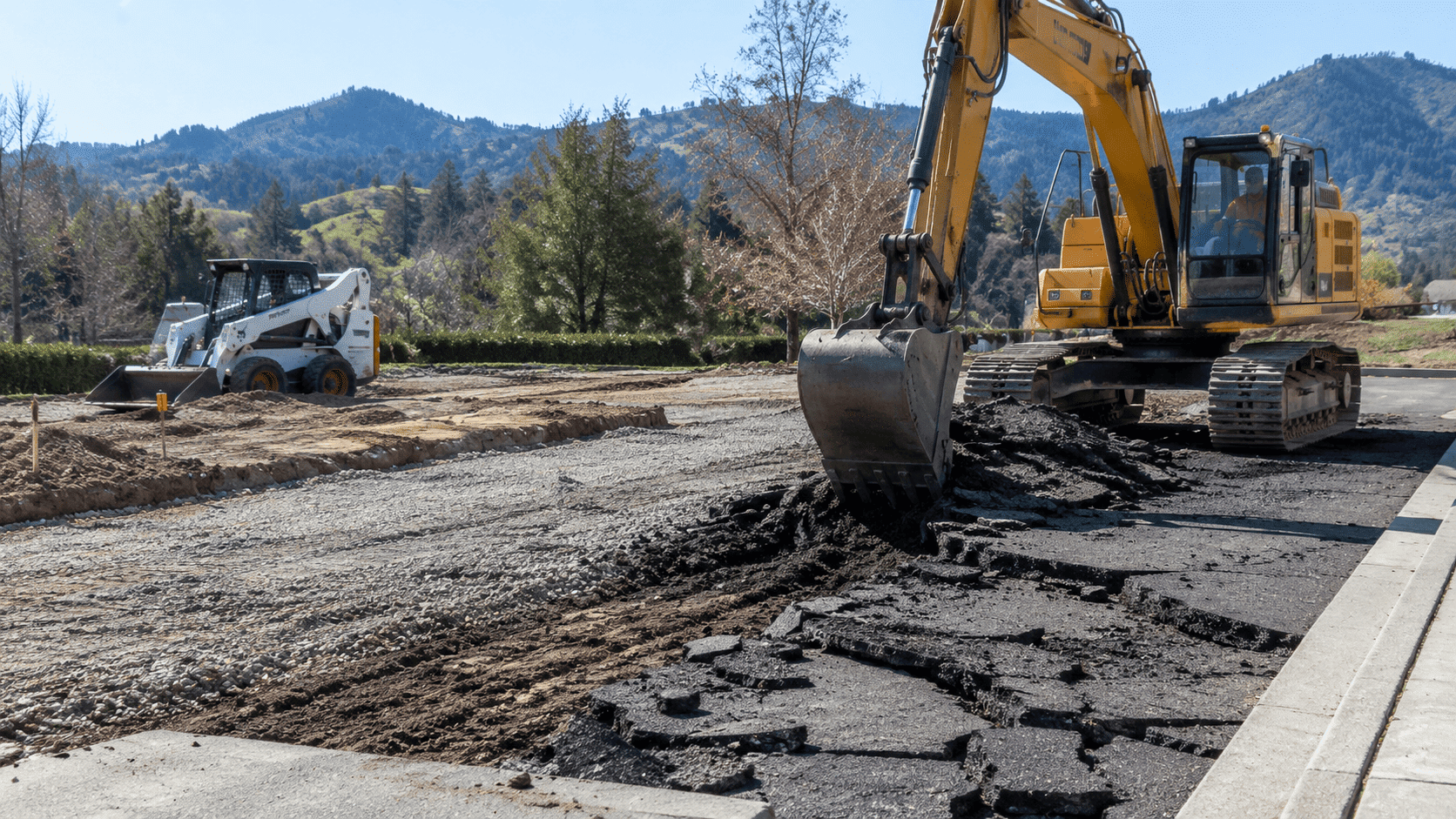
This involves:
-
Clearing the construction area
-
Grading and leveling
-
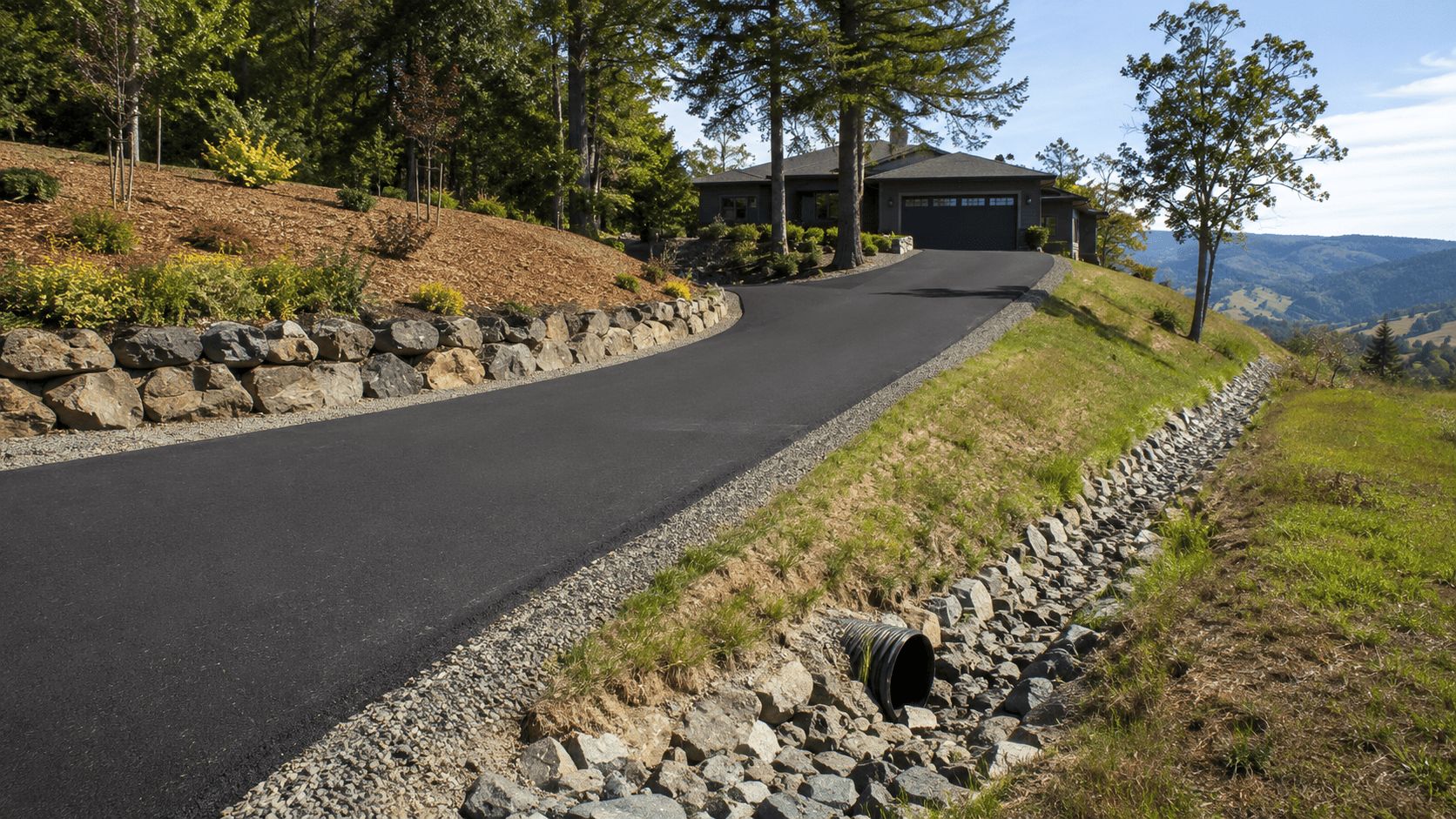
Installing drainage systems
3. Sub-Base Installation
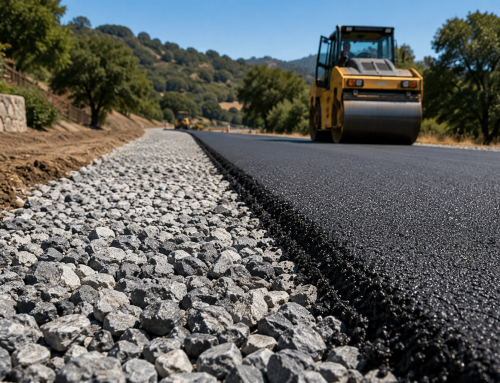
The sub-base provides foundational support. It typically consists of compacted gravel or crushed stone to ensure load distribution and prevent deformation.
4. Binder Layer
A layer of binder asphalt mix (usually with larger aggregates) is laid to add structural integrity and support the final surface layer.
5. Surface Layer (Wearing Course)
This top layer is composed of fine aggregates and bitumen, providing a smooth, durable, and skid-resistant surface.
6. Compaction
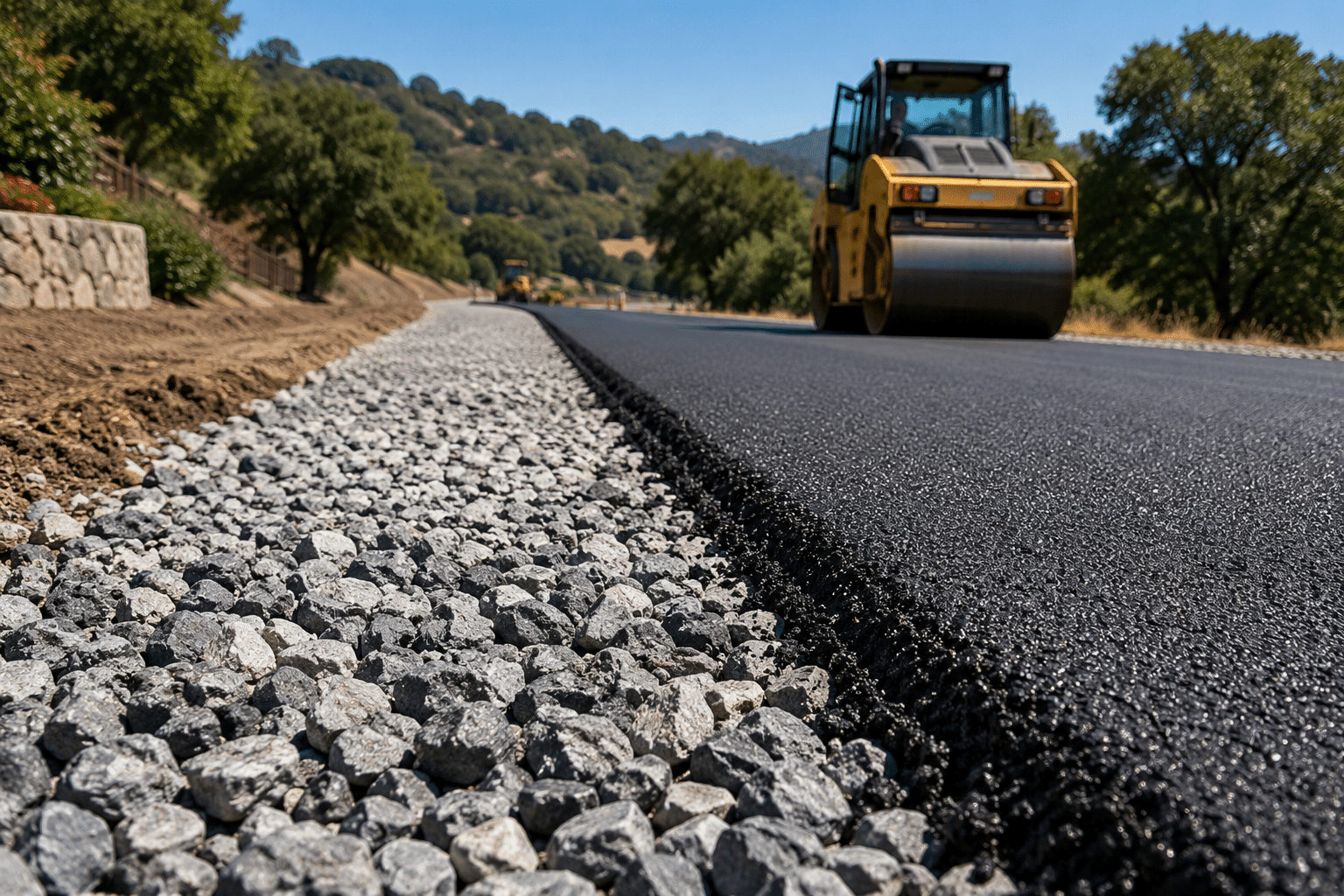
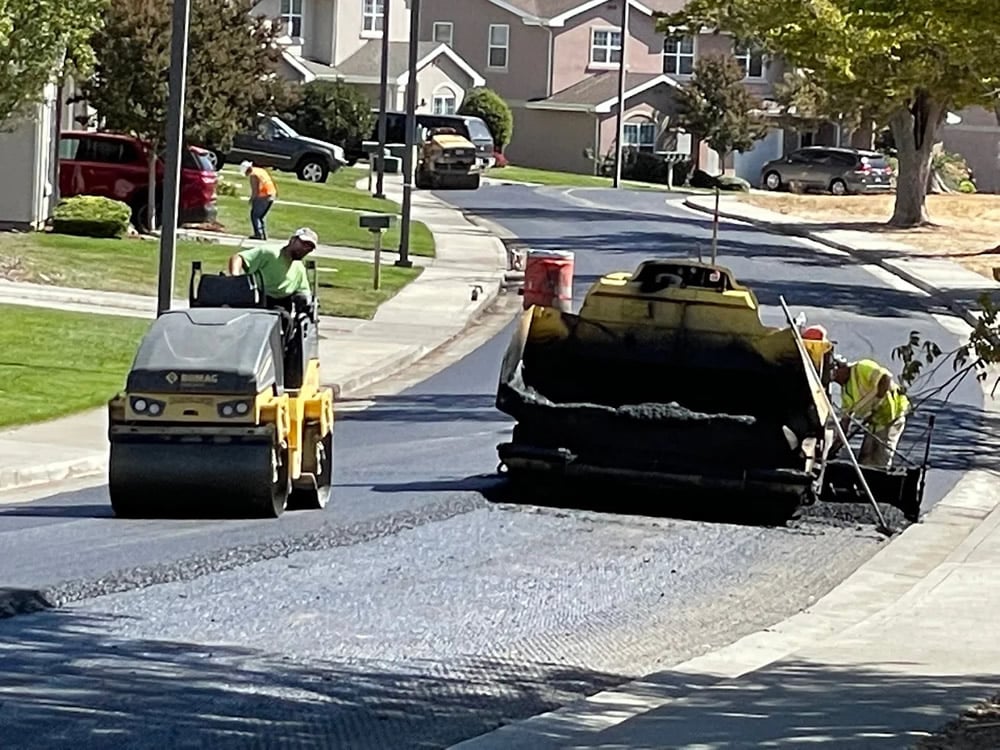
After laying each layer, rollers are used to compact the asphalt, ensuring proper density and bonding between layers.
Advantages of Asphalt Construction
-
Durability: Asphalt pavements can last 15–30 years with proper maintenance.
-
Recyclability: Asphalt is 100% recyclable, making it environmentally friendly.
-
Quick Installation: Roads can often be reopened just hours after paving.
-
Cost-Effectiveness: Lower initial costs and easy maintenance.
-
Smoothness: Offers quieter and safer rides for vehicles.
Common Applications
-
Highways and Roads: The most common use of asphalt construction.
-
Airports: Runways and taxiways benefit from asphalt’s smooth surface and durability.
-
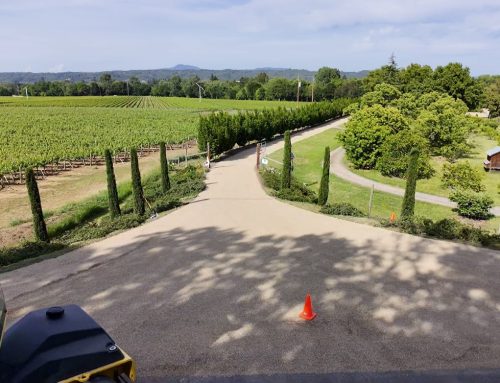
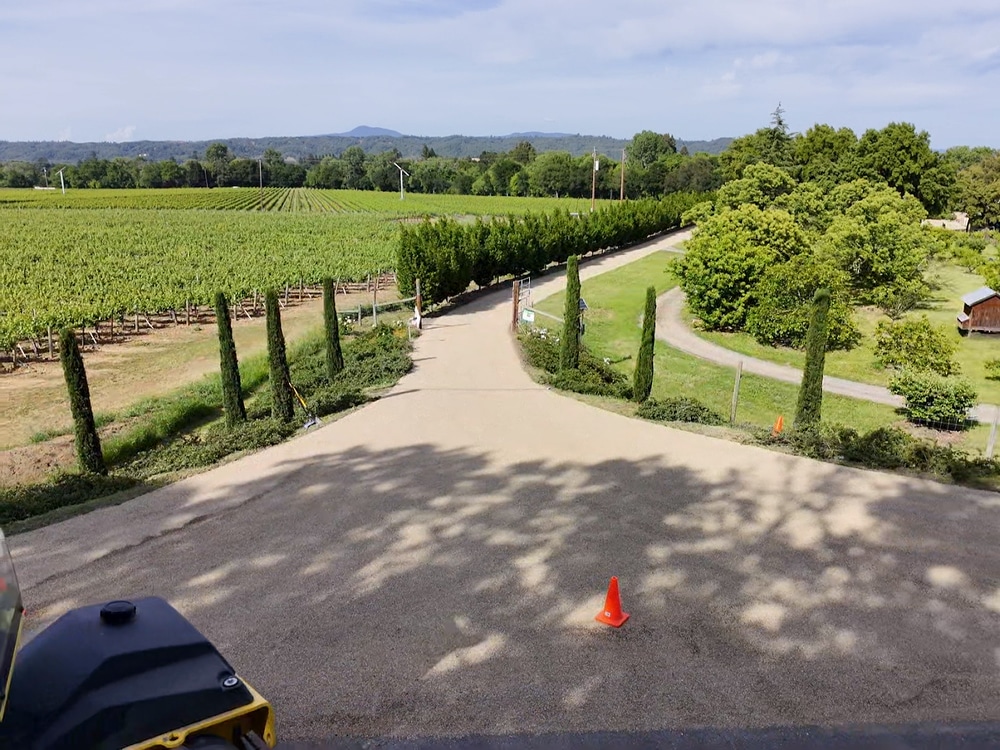
Driveways and Parking Lots: Asphalt is affordable and easy to maintain for residential and commercial spaces.
-
Racetracks: Asphalt’s smoothness and consistency make it ideal for racing surfaces.
Maintenance and Repairs
To extend the lifespan of asphalt pavements, regular maintenance is essential:
-
Sealcoating: Protects against water, UV rays, and oil.
-
Crack Filling: Prevents water intrusion and further damage.
-
Patching: Fixes potholes and surface deformations.
-
Overlaying: Adds a new layer of asphalt over an existing surface.
Conclusion
Asphalt construction is a cornerstone of modern infrastructure. Its versatility, strength, and sustainability make it the material of choice for countless paving projects. With advancements in materials and technologies, asphalt continues to evolve, offering even better performance and environmental benefits for future generations.
Work With the Asphalt Experts at Pimentel Paving
At Pimentel Paving, we bring decades of experience to every paving project — from residential driveways and private roads to commercial parking lots and municipal work. Our team handles the entire asphalt construction process from start to finish, ensuring a smooth, durable, and long-lasting surface built to withstand California’s weather.
Whether you need new asphalt installation, resurfacing, sealcoating, or repairs, our skilled crew delivers quality workmanship, reliable scheduling, and competitive pricing.
If you’re looking for professional asphalt paving and maintenance services in California, contact Pimentel Paving today for a free estimate and see why homeowners, businesses, and contractors trust us to get the job done right.