

Choosing the right paving solution is one of the most important decisions property owners can make when planning a driveway, private road, or parking area. The right surface improves durability, appearance, and long-term value, while the wrong choice can lead to premature cracking, drainage issues, and higher maintenance costs.
At Pimentel Paving, we’ve worked with residential and commercial property owners throughout Sonoma, Napa, and Marin Counties for decades. This guide breaks down the most important factors to consider when deciding which paving solution is best for your property.
Choosing the Right Paving Solution for Driveways, Private Roads, and Parking Areas
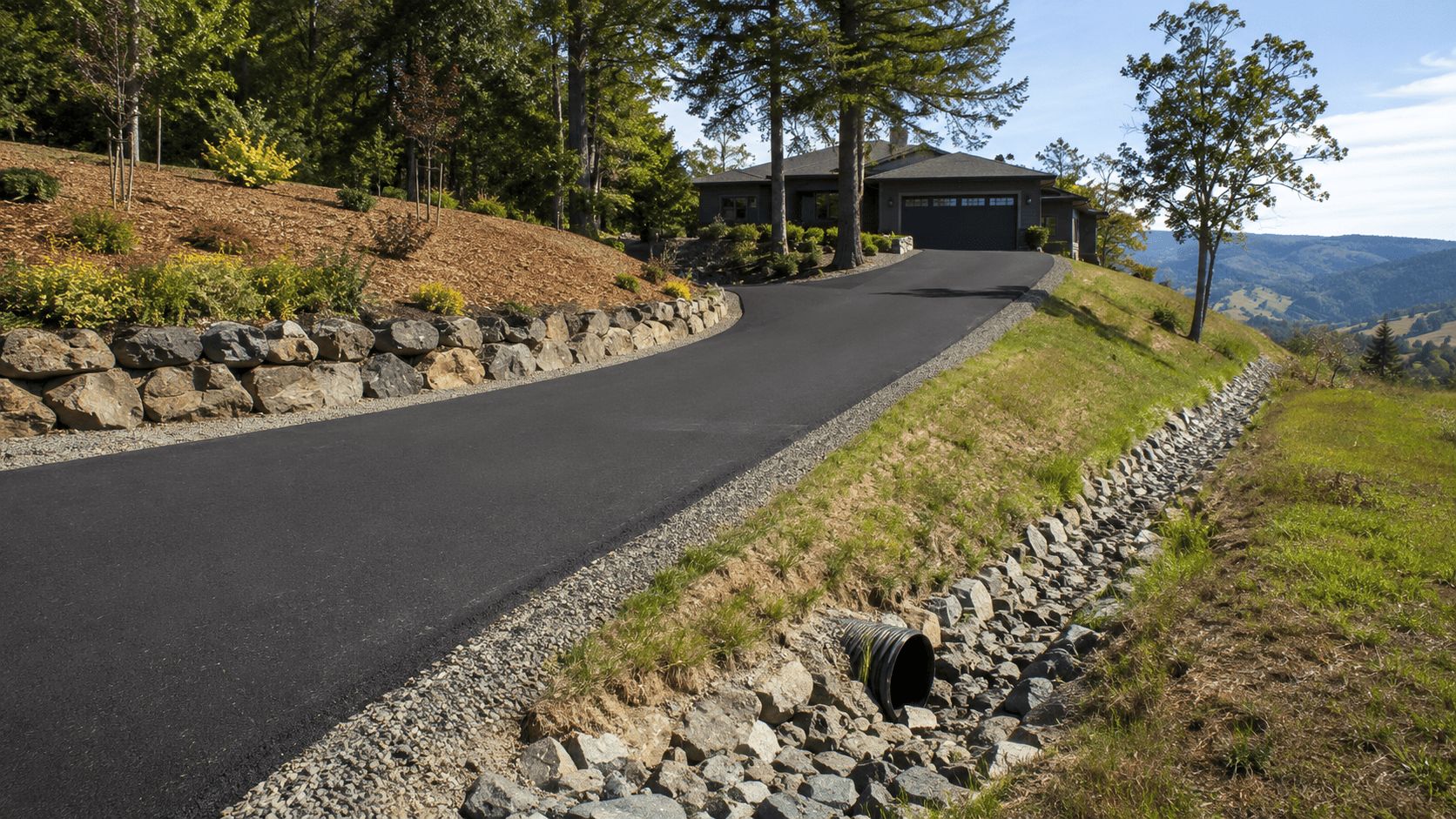
Different properties place different demands on pavement. Traffic volume, vehicle weight, and frequency of use all play a major role in determining the best paving option.
- Residential driveways typically require a durable surface that can handle daily vehicle traffic while maintaining curb appeal.
- Private roads and shared access lanes often need thicker base preparation and stronger paving systems to support repeated use.
- Commercial parking areas must withstand heavier loads, turning vehicles, and higher traffic volume.
Selecting a paving solution that matches how the surface will be used helps prevent early failure and extends the lifespan of the pavement.
Asphalt Paving Costs vs. Long-Term Value for Residential and Commercial Properties
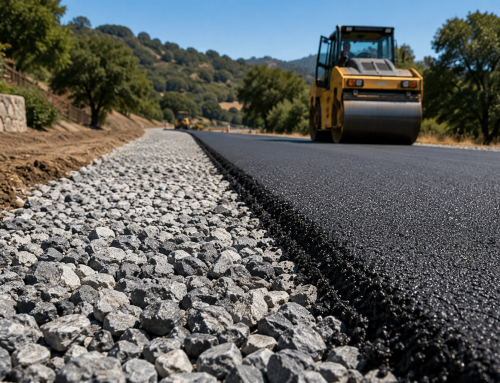
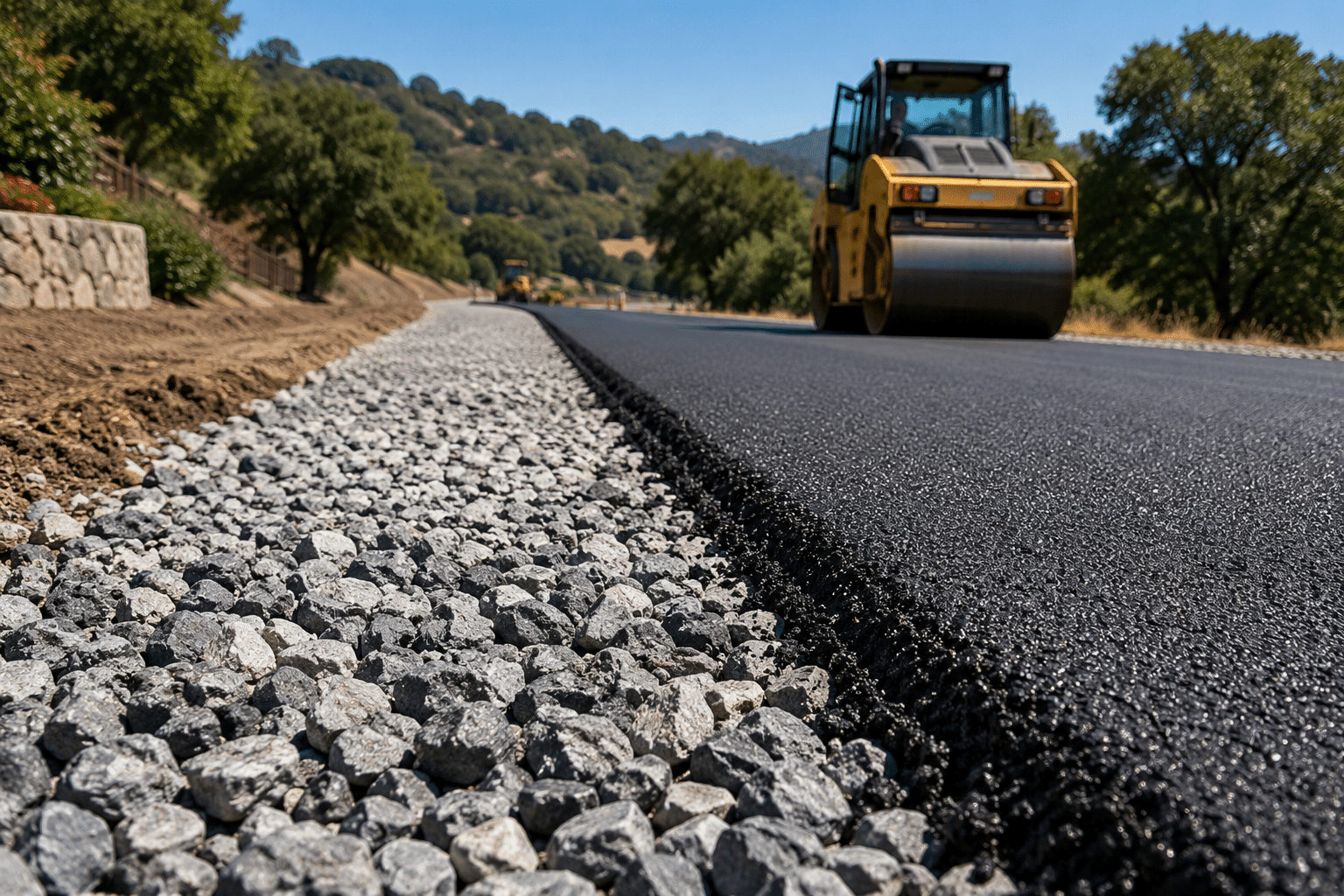
Asphalt paving remains one of the most popular paving solutions due to its balance of cost, durability, and performance. While upfront pricing is often a key consideration, long-term value matters just as much.
Well-installed asphalt provides:
- Strong load-bearing capability
- Smooth, clean appearance
- Easier and more affordable maintenance over time
- Reliable performance in changing weather conditions
For both homeowners and businesses, properly installed asphalt often delivers the best return on investment when evaluated over the full life of the pavement.
Natural and Eco-Friendly Paving Alternatives to Traditional Asphalt
For property owners seeking a more natural or environmentally conscious option, there are effective alternatives to traditional asphalt paving.
Popular options include:
- Chip seal paving, which offers a textured, natural appearance while remaining durable and traffic-friendly
- Terra pave surfaces, made from natural resin and aggregate, designed to blend into rural and scenic environments
These solutions are especially well-suited for private roads, rural driveways, and properties where aesthetics and environmental considerations are a priority.
Why Proper Drainage and Site Preparation Matter for Long-Lasting Pavement
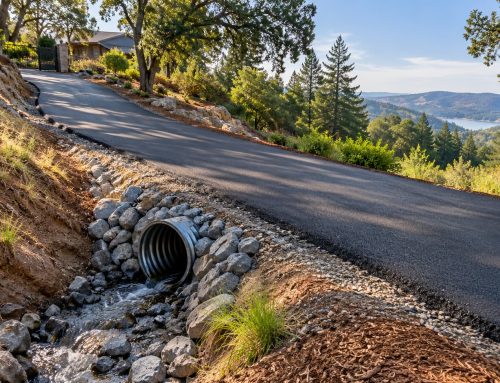
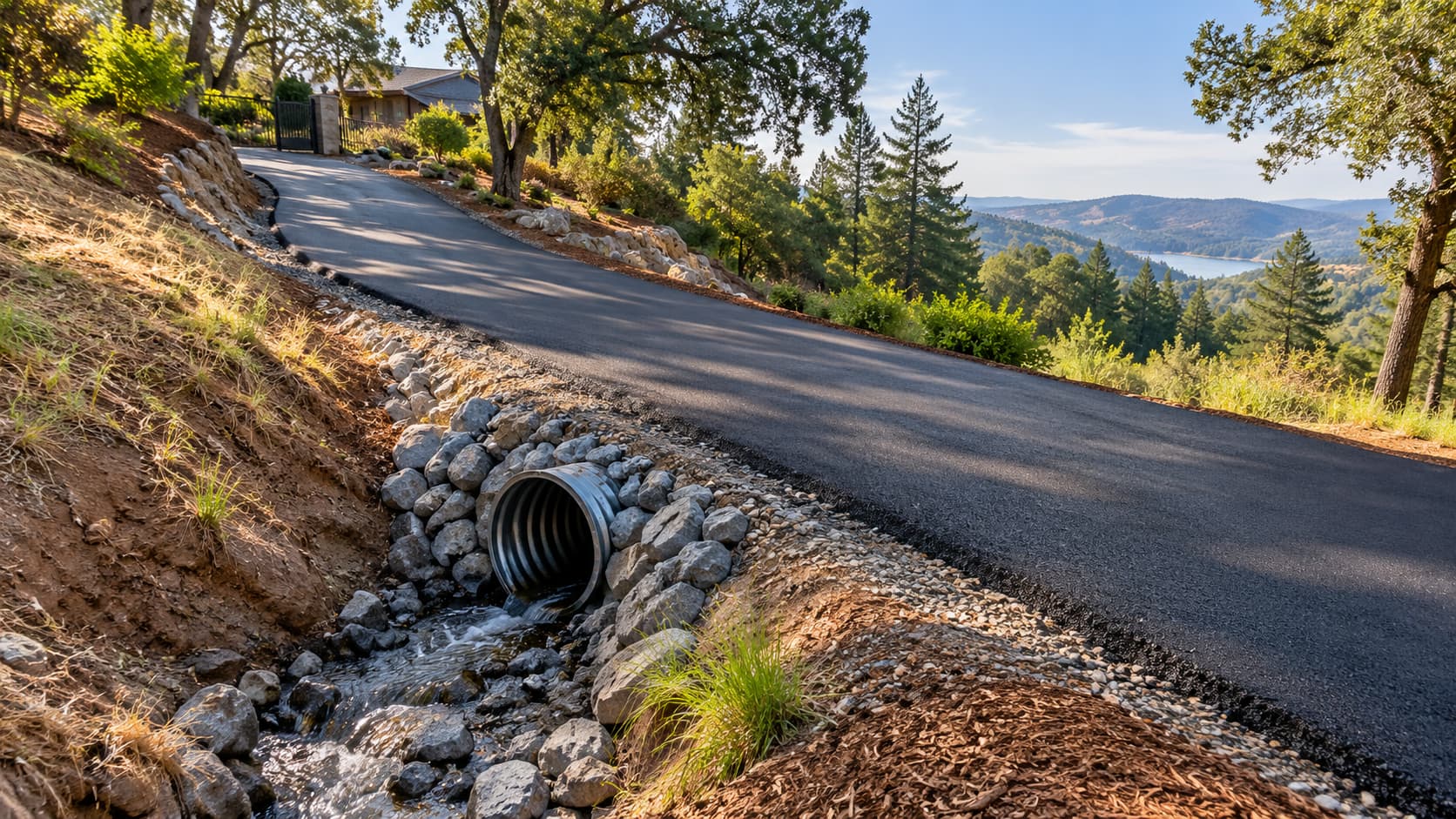
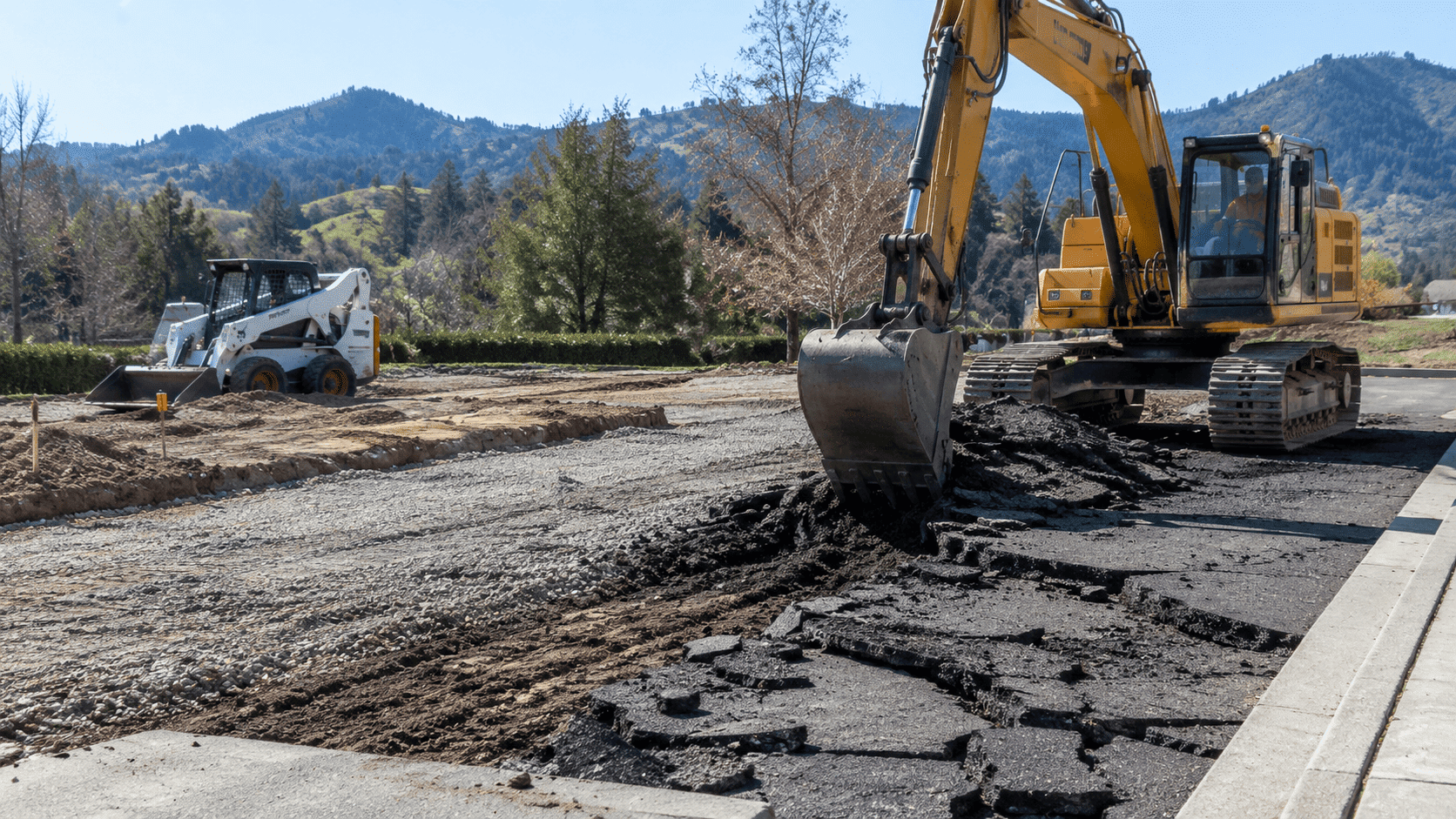
Even the highest-quality paving materials will fail if drainage and site preparation are overlooked. Water is one of the most common causes of pavement damage, leading to cracking, base erosion, and surface deterioration.
Before installation, professional paving contractors evaluate:
- Soil conditions and base stability
- Surface slope and water runoff patterns
- Drainage requirements for long-term performance
Proper grading and preparation ensure that water is directed away from the pavement, significantly increasing durability and reducing future repair costs.
Asphalt Maintenance Tips to Extend the Life of Your Pavement
Once a paving project is complete, ongoing maintenance plays a critical role in preserving the surface. Routine care can add years to the life of asphalt pavement.
Key maintenance practices include:
- Sealcoating to protect against moisture and UV damage
- Crack filling to prevent water infiltration
- Keeping surfaces clean and free of debris
Regular maintenance helps maintain appearance, prevent structural damage, and reduce the need for costly repairs or replacement.
Professional Paving Services in Sonoma, Napa, and Marin Counties
Choosing the right paving solution isn’t just about materials — it’s about working with experienced professionals who understand local conditions, terrain, and long-term performance requirements.
With decades of experience serving Northern California, Pimentel Paving provides customized paving solutions designed to meet the specific needs of each property. From initial evaluation through final installation, expert planning and craftsmanship ensure reliable, long-lasting results.